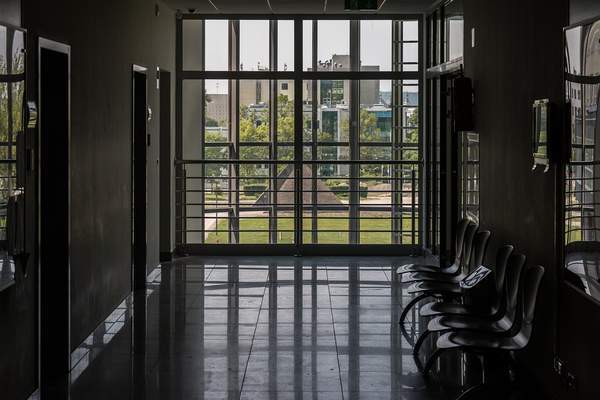
Many overlook the potential hazards posed by non-compliant doorways in commercial buildings. Although often associated with accessibility, ADA compliance plays a crucial role in ensuring the safety and functionality of these spaces. Understanding how ADA standards protect building occupants extends beyond simple accessibility, highlighting the importance of professional building inspections.
Ensuring Safety Through Proper Door Design
ADA-compliant doors are designed to be both accessible and safe for all users. This includes specific requirements for door width, hardware, and force needed to operate the door. Doors must be at least 32 inches wide to accommodate wheelchairs, ensuring safe passage for all individuals. Additionally, door handles should be operable with one hand and not require tight grasping, pinching, or twisting of the wrist, which is crucial for individuals with limited dexterity.
- Minimum clear width: 32 inches
- Maximum opening force: 5 pounds for interior doors
- Handle height: Between 34 and 48 inches from the ground
Professional inspections can identify doors that do not meet these criteria, preventing potential safety hazards.
Preventing Accidents and Injuries
Non-compliant doors can be more than just an inconvenience; they can pose significant safety risks. Heavy doors or those with improper hardware can lead to accidents. For instance, a door that requires excessive force to open can cause strain or injury. Regular inspections help ensure doors function correctly, reducing the likelihood of such accidents.
Complying with Regulations
Adherence to ADA standards is not just a legal requirement but also a best practice for building safety. Ensuring compliance can prevent costly fines and legal issues. Moreover, it demonstrates a commitment to inclusivity and safety. Regular inspections help maintain compliance with ADA regulations, ensuring that all doors meet the necessary standards.
In conclusion, ADA compliance extends far beyond accessibility, playing a vital role in ensuring the safety and functionality of commercial buildings. By prioritizing professional building inspections, property owners can safeguard against potential hazards, ensuring a safe environment for all occupants.